Showing posts with label garden. Show all posts

Sunday, March 29, 2026

100 Seed Packets, 50 Varieties: Ultimate Seed Vault for Home Food Security & Abundant Gardens by B&KM Farms — Full Review


When it comes to long-term food security and self-sufficiency, seed vault kits have become increasingly popular among gardeners, homesteaders, and preparedness-minded individuals. The B&KM Farms 100 Seed Packets, 50 Varieties seed vault positions itself as a large-scale, ready-to-store solution designed to provide years of planting potential. This review takes a deep dive into what you actually get, how it performs, and whether it’s worth adding to your garden or emergency supply.


First Impressions and Packaging

One of the standout features of this seed vault is its emphasis on long-term storage. The seeds are packaged in durable, resealable containers and protected further with mylar-style packets. This type of packaging is specifically designed to shield seeds from moisture, light, and air exposure—three major factors that reduce seed viability over time.

The overall presentation feels purpose-built for storage rather than just seasonal gardening. It’s clear this product is targeting not only casual growers but also those thinking about preparedness and multi-year use.


Seed Quantity and Variety

This kit includes approximately 100 seed packets covering 50 different plant varieties. Depending on the version, the total seed count can exceed 100,000 to 200,000 seeds, which is a massive supply for most home gardeners.

The variety mix includes:

  • Common vegetables like tomatoes, lettuce, beans, and cucumbers
  • Root crops such as radishes and carrots
  • Herbs and some fruit varieties
  • Easy-to-grow, beginner-friendly plants

This diversity is one of the product’s biggest strengths. It allows for crop rotation, dietary variety, and resilience in case some crops fail.


Seed Quality and Germination

B&KM Farms emphasizes that the seeds are heirloom, non-GMO, and open-pollinated. This is important because it means you can save seeds from your harvest and replant them in future seasons—something hybrid seeds often don’t allow.

The advertised germination rate is typically around 80% or higher, which is solid for bulk seed kits.

In practical terms, this means:


Ease of Use and Beginner Friendliness

Despite its large scale, the seed vault is surprisingly approachable for beginners. It usually includes a planting guide along with detailed growing instructions, sometimes supplemented by additional educational materials.

This makes it easier to:

  • Understand planting seasons
  • Learn spacing and soil requirements
  • Plan a full garden layout

For experienced gardeners, the guide may feel basic, but for newcomers, it adds real value.


Storage and Shelf Life

Long-term viability is a major selling point here. Thanks to the mylar packaging and sealed containers, these seeds are designed to last for years when stored properly in cool, dry conditions.

This makes the kit suitable for:

However, like all seeds, viability will still gradually decline over time. Proper storage is essential to get the full lifespan.


Practical Gardening Performance

In real-world use, the kit performs best when treated as a flexible supply rather than a rigid plan. With so many seeds included, you can experiment with different crops and planting strategies without worrying about running out.

Strengths in the garden include:

Potential drawbacks:

  • Not all varieties may suit your climate equally well
  • Some seeds may go unused if your garden space is limited

Value for Money

Pricing varies depending on the seller, but this kit typically falls into a mid price range for seed vaults.

When you break it down:

  • Cost per seed is extremely low
  • Variety is extensive
  • Longevity adds long-term value

For serious gardeners or preparedness-focused buyers, the value is strong. For casual gardeners, it may be more than necessary.


Pros and Cons

Pros:

Cons:


Final Verdict

The B&KM Farms 100 Seed Packets, 50 Varieties Ultimate Seed Vault is a robust, large-scale seed collection designed for people who want more than just a seasonal garden. It’s built for long-term thinking—whether that means food security, homesteading, or simply having a deep reserve of planting options.

It excels in quantity, diversity, and storage design, making it a strong choice for serious gardeners and preparedness-minded buyers. However, its size and scope may be excessive for casual users who only plant a small backyard garden.

If your goal is to build a sustainable, repeatable food source over multiple seasons, this seed vault delivers on its promise.

Get The Seed Vault On Amazon!

Thursday, January 30, 2025

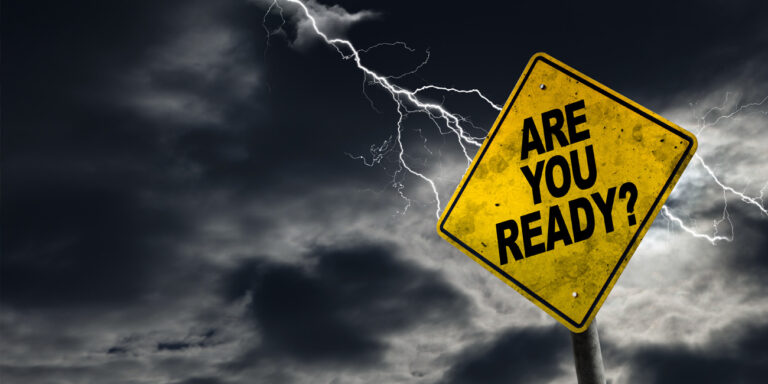
Emergency Preparedness: How to Protect Your Family in Any Crisis


Disasters can strike at any moment, and whether it’s a natural calamity, power outage, or societal unrest, being prepared can mean the difference between survival and catastrophe. Many people assume that emergency situations will never happen to them, but history has repeatedly proven otherwise. From hurricanes and earthquakes to economic collapses and even home invasions, taking proactive steps now can safeguard your family’s future.

Essential Supplies: Food, Water, and Electricity

Stockpiling Food

One of the most critical aspects of emergency preparedness is ensuring you have enough food. Grocery stores can be emptied in hours during a crisis, leaving those unprepared vulnerable. Here are key points for food storage:

  • Non-Perishable Foods – Stockpile canned goods, freeze-dried meals, rice, pasta, and beans.

  • Long-Term Storage – Consider investing in survival food kits with a 25-year shelf life.

  • Self-Sufficiency – Growing your own food through gardening or hydroponics ensures sustainability.

  • Cooking Without Power – A propane stove, wood stove, or solar oven will allow you to cook when electricity is out.

Securing a Clean Water Supply

Water is even more critical than food for survival. Without it, dehydration can set in within three days. Here’s how to prepare:

  • Store Enough Water – A general rule is one gallon per person per day for drinking and sanitation.

  • Water Filtration and Purification – Have water filters, purification tablets, and the ability to boil water if needed.

  • Rainwater Collection – A rainwater barrel system can provide a renewable water source.

Backup Power and Electricity

A power outage can quickly turn into a crisis. Having alternative energy sources is crucial for staying warm, keeping food fresh, and maintaining communication.

  • Generators – Gas, diesel, or solar-powered generators provide backup electricity.

  • Battery Banks – Portable power stations can keep phones and small devices running.

  • Solar Power – Solar panels with battery storage ensure long-term resilience.

  • Alternative Heating Sources – Wood-burning stoves and propane heaters can keep your home warm in the winter.

Home Defense: Protecting Your Family

A critical aspect of emergency preparedness is being able to defend your home and family from threats. Unfortunately, during disasters, looting and crime often rise as desperation sets in.

The Importance of Firearms

While some may hesitate to consider firearms as part of their preparedness plan, the reality is that law enforcement can be overwhelmed in a crisis. Owning a firearm and knowing how to use it responsibly can provide an essential layer of protection.

  • Self-Defense – In a breakdown of order, having a firearm ensures you can defend your loved ones.

  • Deterrence – Criminals are less likely to target a well-armed household.

  • Training and Responsibility – Regular training, safe storage, and proper usage are necessary to ensure responsible firearm ownership.

  • Ammunition Supply – Stockpile enough ammunition to ensure long-term viability in a prolonged emergency.

Other Home Security Measures

In addition to firearms, reinforcing your home can deter potential threats.

  • Reinforced Doors and Windows – Strengthen entry points with deadbolts and shatterproof glass.

  • Security Cameras and Alarms – Early detection can give you the time to react appropriately.

  • Outdoor Lighting – Motion-sensor lights can deter intruders.

  • Community Watch – Build a network with neighbors for mutual security and assistance.

Types of Disasters You Need to Prepare For

Understanding the various disasters that could occur allows you to create a comprehensive preparedness plan.

Natural Disasters

  • Hurricanes & Tornadoes – High winds, flooding, and structural damage make these deadly. Have an evacuation plan and a reinforced shelter.

  • Earthquakes – Secure heavy furniture, have an emergency kit, and know safe zones in your home.

  • Wildfires – Create defensible space around your home and have an evacuation plan.

  • Blizzards & Extreme Cold – Ensure you have alternative heating methods and enough supplies to last through prolonged snowfall.

Societal Disruptions

  • Economic Collapse – Job loss, hyperinflation, or supply chain disruptions can leave people unable to buy essentials.

  • Grid Failures – Cyberattacks or system failures can cause widespread blackouts lasting weeks or longer.

  • Pandemics – Future health crises could require quarantine measures and self-sufficiency.

Personal and Home Emergencies

  • Job Loss – Financial preparedness and food storage can provide stability during economic hardship.

  • Medical Emergencies – Stockpile medications, first aid supplies, and learn basic medical procedures.

  • Home Invasions – Security measures and self-defense training can make all the difference.

Take Action Now: Begin Your Emergency Preparedness Plan

Emergency preparedness is not paranoia—it’s a responsible approach to protecting your family. Every day, unforeseen events impact lives, and those who have prepared in advance fare significantly better.

Steps to Take Today:

  1. Assess Your Needs – Identify the risks specific to your location.

  2. Start Stockpiling Essentials – Begin building a supply of food, water, and medical supplies.

  3. Secure Your Home – Implement security measures to protect against threats.

  4. Train and Educate Your Family – Ensure everyone knows emergency procedures and basic survival skills.

  5. Stay Informed – Keep up with news and potential threats that could affect your area.

Disaster can strike at any moment, but with proper planning and preparation, you can ensure your family remains safe and secure. Start today—because when the time comes, it will be too late to prepare.

Get Prepared!

100 Seed Packets, 50 Varieties: Ultimate Seed Vault for Home Food Security & Abundant Gardens by B&KM Farms — Full Review

  When it comes to long-term food security and self-sufficiency, seed vault kits have become increasingly popular among gardeners, homeste...